It’s Time to Start Planning Your Home for Spring: Your Complete Guide
As winter begins to loosen its grip across Ontario, homeowners have a critical opportunity to prepare their homes for the months ahead. Spring is not simply a change in season. It is one of the most important times of year for preventative maintenance, structural inspection, and energy-efficiency planning. The freeze-thaw cycles of winter can silently impact foundations, roofing systems, insulation performance, and exterior materials. Planning early in the spring allows homeowners to identify minor issues before they escalate into expensive repairs.
For Canadian homes in particular, winter conditions are harsh. Snow accumulation, ice buildup, moisture intrusion, and sub-zero temperatures place continuous stress on building materials. When temperatures rise, hidden damage begins to reveal itself. Small cracks expand. Caulking separates. Gutters clog. Insulation shifts. Addressing these concerns early protects both your investment and your comfort.
According to Natural Resources Canada, improving air sealing and insulation can significantly reduce household energy consumption, with space heating accounting for a large percentage of residential energy use in cold climates. Research consistently shows that homes with poor air sealing can lose up to 25–35 percent of their heating energy through leaks in the building envelope. This makes spring the ideal time to inspect and correct these vulnerabilities before cooling season begins.
Spring planning is not just about maintenance. It is about preservation, efficiency, and long-term property value.
Why Spring Is the Most Strategic Time for Home Maintenance
When snow melts and temperatures stabilize above freezing, building materials begin to expand again after months of contraction. This transition exposes weaknesses created during winter. Roofing shingles that endured ice damming may curl or loosen. Exterior sealants may crack. Foundation hairline fractures may widen due to repeated freeze-thaw cycles.
Moisture is one of the most destructive elements affecting residential structures. During winter, ice can force its way into small openings. When it melts, water infiltration follows. If not addressed promptly, this moisture can lead to mold growth, wood rot, insulation degradation, and even structural shifting.
Spring is also the ideal season because contractors are more available before peak summer demand begins. Planning early allows homeowners to schedule repairs at competitive rates and avoid emergency situations during heavy spring rainfall.
Home insurance providers and home performance specialists often emphasize that preventative seasonal maintenance reduces long-term claims and repair costs. The earlier issues are addressed, the less invasive and less expensive they tend to be.
The Importance of Sealing Cracks After Winter
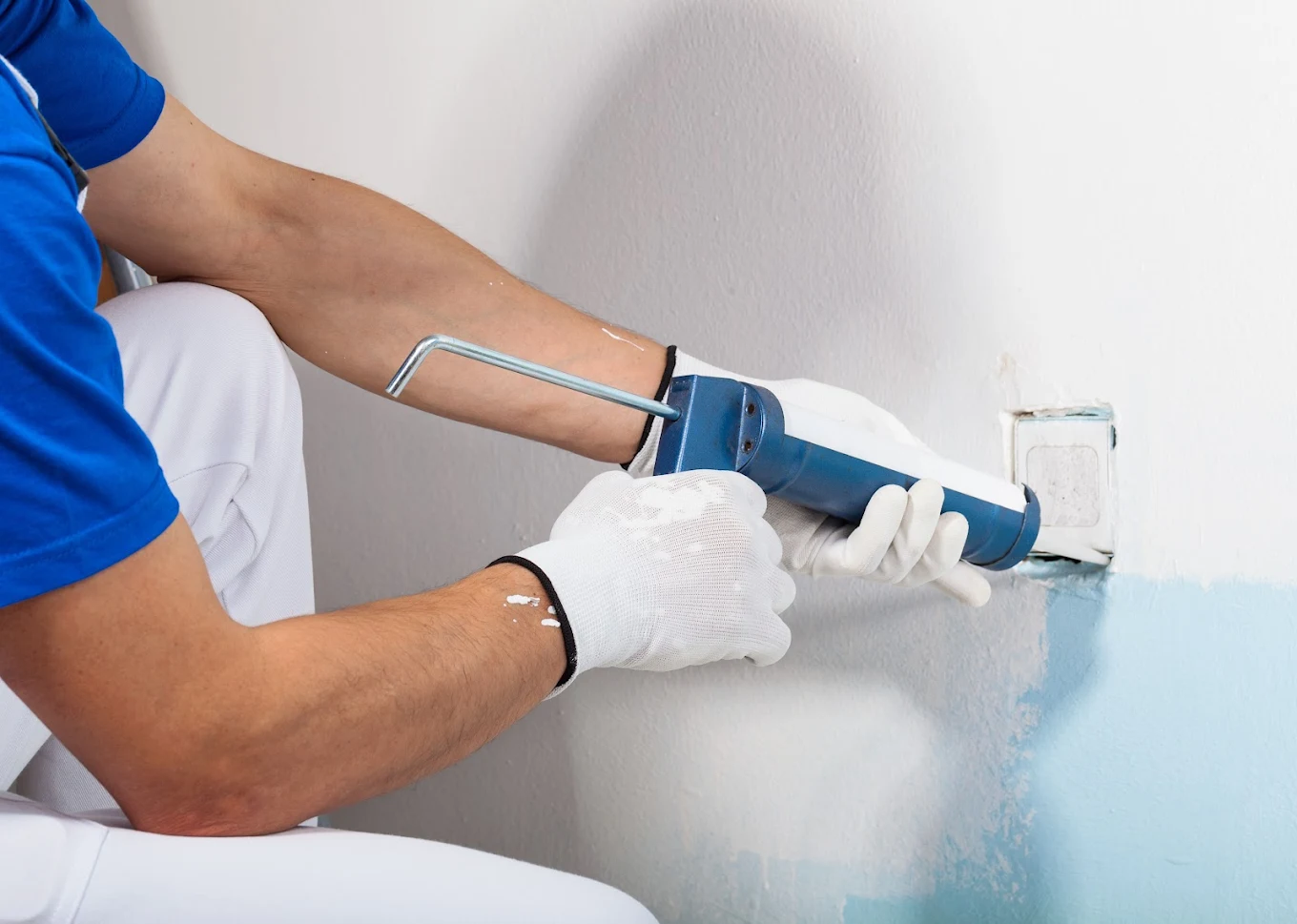
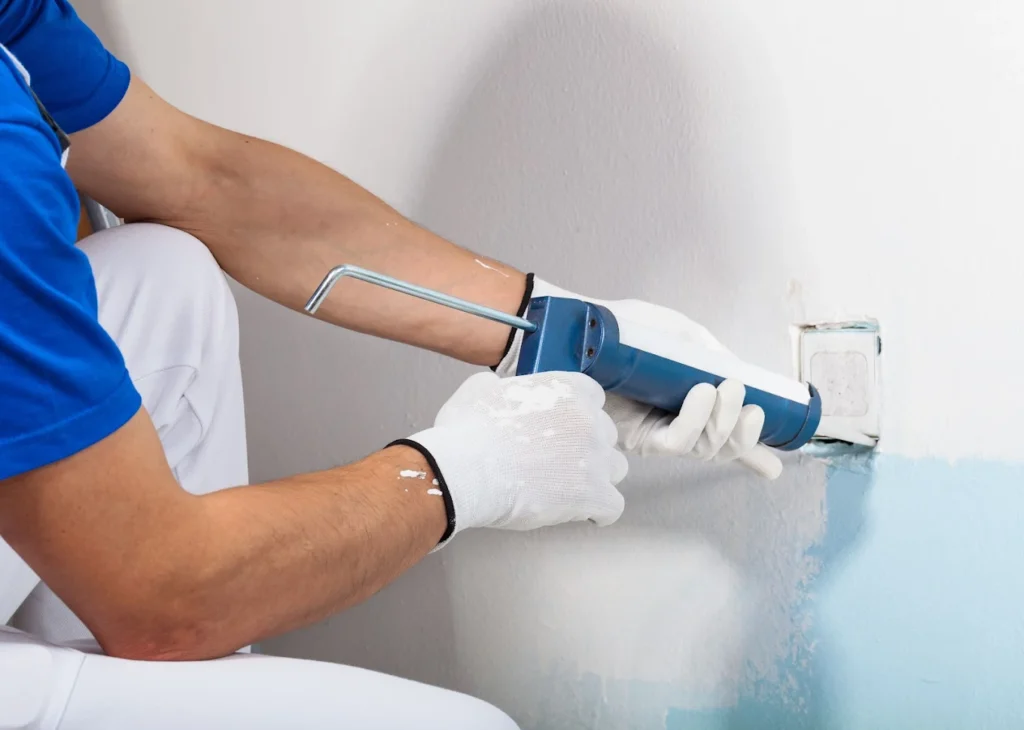
One of the most overlooked yet critical spring maintenance tasks is sealing cracks. Even minor cracks in concrete foundations, siding, window frames, and door frames can significantly impact energy efficiency and moisture control.
During winter, water enters microscopic openings in concrete and masonry. When temperatures drop, that water freezes and expands by approximately nine percent in volume. This expansion exerts internal pressure, widening existing cracks. Over the course of several freeze-thaw cycles, small fractures can grow substantially.
Foundation cracks are particularly concerning because they allow groundwater infiltration. Spring rains can worsen the situation, leading to damp basements, mold growth, and long-term structural deterioration. Even hairline cracks should be inspected and sealed using appropriate materials before they develop into more serious foundation problems.
Air leakage around windows and doors is another major concern. Natural Resources Canada recommends checking and resealing window and door frames as part of seasonal maintenance because air leakage can dramatically increase heating and cooling costs. Studies on building envelope performance show that uncontrolled air leakage contributes to energy waste and reduces indoor comfort by creating drafts and uneven temperatures.
By resealing cracks and gaps in spring, homeowners create a tighter building envelope. This not only improves comfort but reduces strain on HVAC systems. A well-sealed home requires less energy to maintain temperature stability, which translates directly into lower utility bills.
Insulation: The Foundation of Energy Efficiency
While sealing cracks addresses air leakage, insulation addresses heat transfer. The two work together. Without proper insulation, even a well-sealed home will struggle to maintain consistent temperatures.
Insulation slows the movement of heat through walls, ceilings, and floors. In winter, it keeps heated air inside. In summer, it keeps outdoor heat from penetrating the home. Research on high-performance buildings, including early Canadian energy-efficient housing projects, has consistently demonstrated that improved insulation and airtight construction significantly reduce annual energy consumption.
According to federal energy data, space heating remains the largest energy expense for Canadian households. Homes with insufficient attic insulation, poorly insulated basements, or gaps in wall insulation lose substantial energy through conduction and convection. In many cases, attic upgrades alone can produce measurable reductions in heating and cooling costs.
Spring is an ideal time to inspect attic insulation levels because temperatures are moderate and access is easier. Insulation should be evenly distributed without compressed areas. Basement rim joists, crawl spaces, and areas around duct penetrations should also be checked for gaps or exposed surfaces.
Moisture is another critical factor. Wet insulation loses its thermal resistance. If winter condensation or ice dams caused moisture intrusion, insulation may need replacement. Addressing these issues in spring ensures optimal performance before summer heat arrives.
Insulation is not simply about comfort. It protects mechanical systems, reduces energy waste, and contributes to a healthier indoor environment.
Roof and Gutter Inspection After Winter
Roof systems endure significant stress during winter. Ice dams, heavy snow loads, and fluctuating temperatures can damage shingles and flashing. Even minor roof damage can allow water to penetrate underlayment and enter attic spaces.
Spring roof inspections should include checking for lifted shingles, cracked flashing around chimneys and vents, and signs of moisture in the attic. Early detection prevents interior ceiling damage and structural decay.
Gutters and downspouts must also be cleared of debris. When gutters clog, water overflows and can pool near the foundation. Over time, this increases hydrostatic pressure against basement walls, contributing to leaks and structural stress.
Proper drainage is essential. Downspouts should direct water at least several feet away from the foundation. Ensuring effective drainage during spring rainfall significantly reduces basement moisture risk.
Windows, Doors, and Exterior Surfaces
Windows and doors are common sources of air leakage. Winter expansion and contraction can cause caulking to separate from frames. Weatherstripping may become brittle and lose effectiveness.
Resealing these areas improves thermal performance and reduces drafts. In addition to energy savings, this also reduces moisture intrusion during heavy spring storms.
Exterior siding, brickwork, and stucco should also be inspected for cracks or separation. Exterior paint acts as a protective barrier against moisture. Peeling or blistering paint should be addressed before summer sun exposure worsens the problem.
HVAC System Preparation for Warmer Months
Transitioning from heating to cooling season requires system preparation. Air conditioning systems should be inspected before consistent warm temperatures begin. Replacing air filters improves airflow and indoor air quality.
Dust accumulation in ducts and vents can reduce efficiency. If your HVAC system worked continuously through winter, spring servicing ensures it operates efficiently during the summer months.
An efficient HVAC system combined with proper insulation and air sealing creates a balanced indoor climate and reduces energy strain.
Driveways, Decks, and Exterior Concrete
Freeze-thaw cycles also affect outdoor hard surfaces. Concrete expands and contracts during winter, leading to surface cracking. Small cracks in driveways and walkways should be sealed promptly to prevent expansion.
Wood decks should be inspected for loose boards, moisture damage, or rot. Re-sealing wood surfaces extends their lifespan and maintains safety.
A Structured Spring Maintenance Approach
Successful spring planning involves a structured inspection strategy. Begin at the roof and work downward. Examine shingles and flashing. Clear gutters. Inspect siding. Seal cracks around windows and doors. Assess foundation integrity. Move indoors to evaluate insulation and HVAC systems.
This systematic approach ensures no critical area is overlooked.
Research in home performance consistently demonstrates that preventative maintenance is far more cost-effective than reactive repair. Addressing minor issues early reduces the likelihood of large-scale renovations later.
Protecting Long-Term Property Value
A home is typically the largest financial investment a family makes. Seasonal neglect can gradually erode structural integrity and resale value. Prospective buyers often request documentation of regular maintenance. Homes that demonstrate consistent care tend to perform better in competitive real estate markets.
Beyond resale value, consistent maintenance protects daily comfort and safety. Moisture intrusion, mold growth, and structural damage can all originate from small, overlooked cracks or insulation failures.
Spring provides the opportunity to reset and prepare your home for the year ahead.
Planning Makes the Difference
The most successful homeowners treat spring not as a cleanup season but as a strategic maintenance window. Early inspections, crack sealing, insulation checks, and drainage improvements provide long-term returns.
Energy efficiency improvements made in spring reduce cooling costs in summer and heating costs next winter. Proper sealing and insulation decrease environmental impact while improving comfort.
For homeowners in Ontario and across Canada, winter will always test the strength of a house. What determines long-term durability is how quickly and effectively those winter impacts are addressed.
Planning now prevents emergency repairs later.
Plan With Confidence — Choose QualyPlus
Spring maintenance is not just about checking boxes. It is about protecting your investment, improving energy efficiency, and ensuring your home remains safe and comfortable throughout the year. At QualyPlus, we specialize in professional home inspections, crack sealing, insulation improvements, exterior repairs, and complete seasonal maintenance solutions. Our experienced team understands the impact Canadian winters have on residential properties, and we provide reliable, high-quality workmanship designed to prevent small problems from becoming expensive repairs. If you are ready to prepare your home for spring with confidence, contact QualyPlus today and let our experts help you protect what matters most.
Tell us about your project and we’ll get back to you with A Free Quote
By submitting the form or by clicking on the ‘Contact Us’ button above, you expressly consent to receive communications from QualyPlus, their products, devices or services, by email, text message or phone to the landline or mobile number provided, even if that telephone number is on a corporate or national Do Not Call Registry.

We transform homes and commercial spaces into personalized, inspiring environments by blending craftsmanship, professionalism, and customer-centric service.
- +1(647) 527-0401
- contact@qualyplus.ca
- We Service all across GTA and Simcoe County
Services
Home Renovations
Basement Finishing
Interior & Exterior Painting
Drywall Repairs
Interior & Exterior Upgrades
Recent news
- All Post